

Net Metering Systems
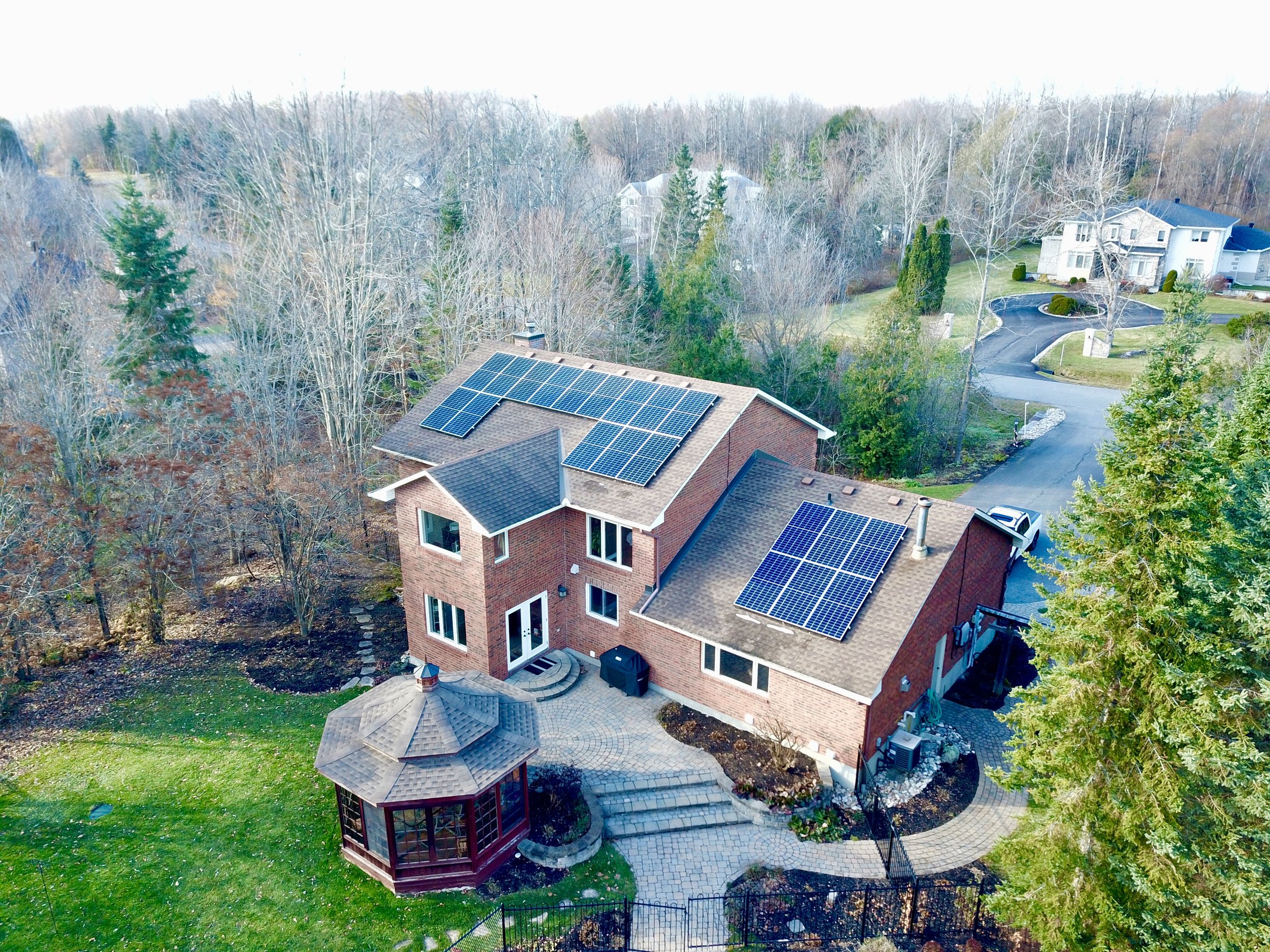
Net Metering is an environmentally friendly and cost-effective solution for Hydro customers looking to reduce or even eliminate their electricity bills. This system enables homeowners and businesses to generate their own electricity using renewable energy sources like solar panels, while still being connected to the electrical grid for additional support when needed.

Ontario encourages its residents to use solar to reduce their power consumption. While the province enjoys clean generation from Hydro plants, the supply is limited. As needs grow province-wide, expensive upgrades and new generation will be needed.
Net metering lets homeowners make their own electricity with solar and stay connected to the grid. In most of Ottawa, net metering is offered through Hydro Ottawa. Before it approves a new system, Hydro Ottawa confirms that the local grid has capacity for it. Rural properties outside Hydro Ottawa's service area, including parts of rural Ottawa and Eastern Ontario, are usually served by Hydro One or another local utility, and each has its own net metering program. Ottawa Solar Power handles the application for you, whichever utility serves your home.
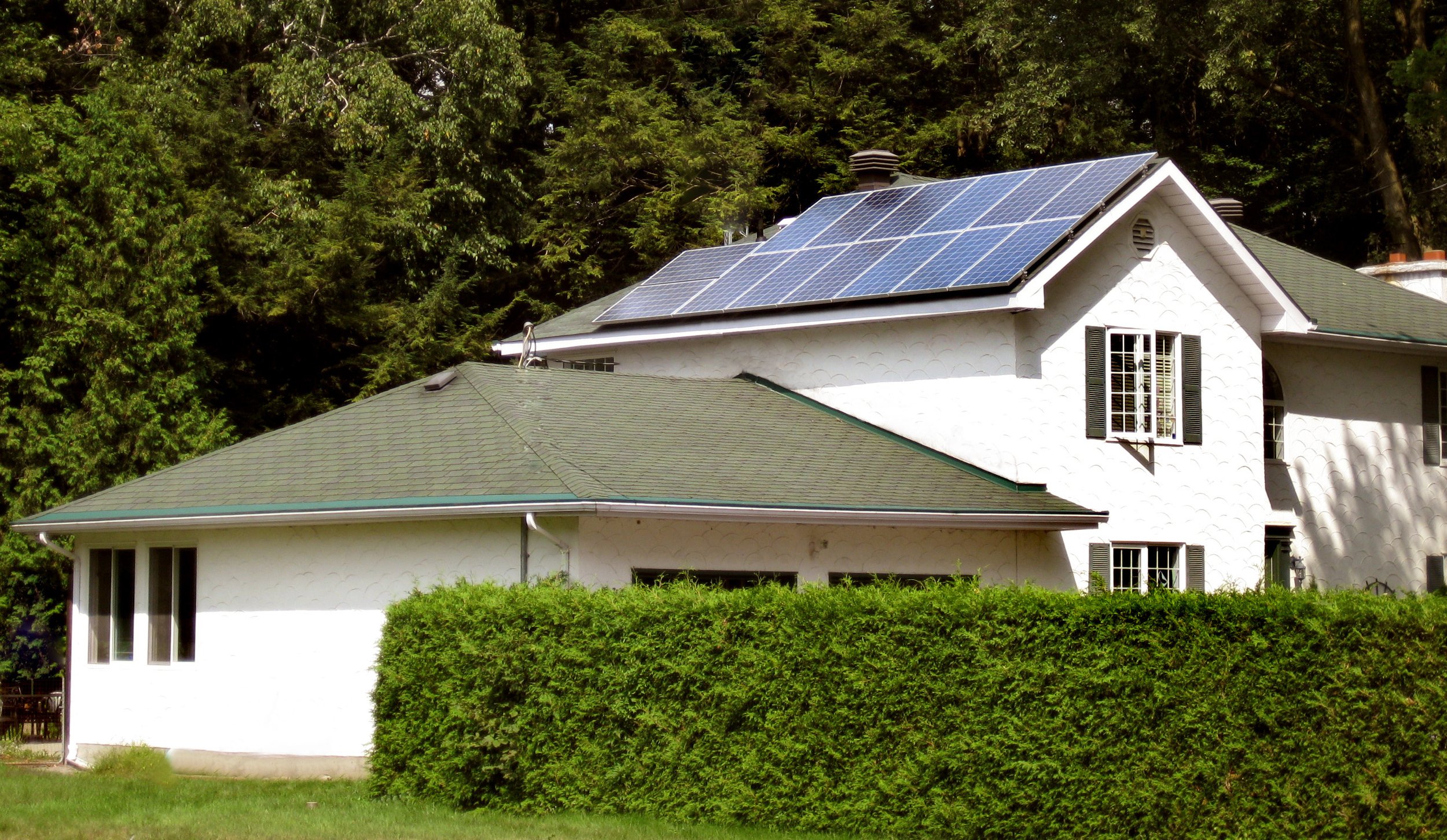
A specialized hydro meter monitors the electricity produced by your solar system. Any excess energy generated is sent back to the grid, earning you energy credits that can be applied to future electricity bills over a 12-month period. This allows for an efficient balancing of energy usage throughout the year, maximizing savings and sustainability.

Why Choose Net Metering?

-
Lower or eliminate your hydro bill
Earn credits for excess electricity to offset future energy costs.
-
Fixed energy pricing
Lock in a stable electricity rate for the next 30 years, protecting against rising energy costs
-
Reduce your carbon footprint
Transition to renewable energy and contribute to a cleaner environment.
-
Escape Time-of-Use billing
Shift from fluctuating electricity rates to a more predictable tiered billing structure.
-
Generate 20 to 100% of your home's energy needs
A solar system can cover a substantial portion of your annual power consumption.
-
Long-term savings
With future hydro rate increases, solar energy continues to get cheaper each year.

What we Include in Every Net Metering System installation:
Structural engineering assessment to ensure safe installation.
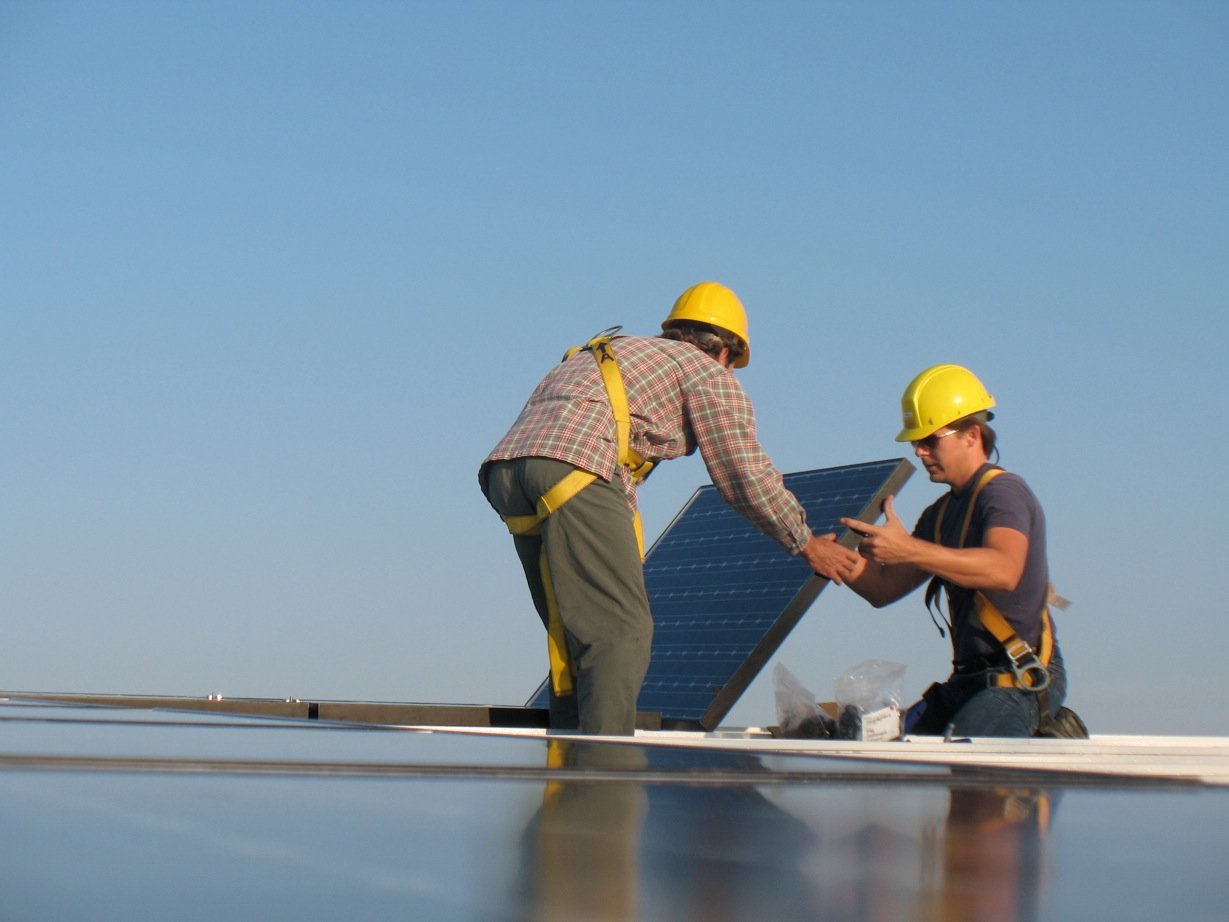
Complete supply and installation of solar modules, inverters, and racking systems.
AC electrical component installation and integration with your current setup.
Coordination with Hydro for ESA inspection, meter installation, and grid connection.
Online monitoring system for real-time tracking of your energy production and usage.
FAQs
-
Grid-Tied Net Metering System Costs
A grid-tied solar system with 20–24 solar panels and no battery backup typically costs between $20,000 – $30,000.
Adding battery backup to a net metering system increases the cost by $15,000 – $20,000.
Several factors impact pricing, including your roof type, pitch, and current electrical system. A steep or metal roof increases installation complexity, while bungalows are easier to install on than multi-story homes.
-
Yes! A Net Metering System sends solar energy into your home’s electrical panel. If your EV charger is connected, the solar energy powers your car.
-
Most high-quality solar panels have 20–25 year warranties.
Failure rates are less than 1%, making warranty claims rare.
Hail damage is extremely rare, and solar panels have no moving parts to wear out
-
The payback period varies due to fluctuating electricity prices.
Electricity costs are expected to rise, making solar a smart long-term investment.
Installing solar is like locking in a low mortgage rate, your energy costs won’t increase
-
String Inverter: One inverter manages a group of panels. Cost-effective but less efficient in shaded areas.
Microinverters: Each panel has its own inverter, improving efficiency in shaded conditions but adding cost.
Optimizers: Work similarly to microinverters but still require a central inverter.
-
If your roof has shading issues, microinverters or optimizers are a good choice.
If your roof has full sun exposure, a string inverter is more affordable and easier to maintain.
-
Solar should be aesthetically placed for curb appeal and resale value.
Leaving some roof space open allows for future maintenance and repairs.
Get Started with a Free Site Evaluation
We are committed to helping you find the best solar solution tailored to your energy needs, property specifications, and budget.
Call us Directly at 613-728-2412
Or by email at sales@ottawasolarpower.com